MOBILE
MODERN UI/UX DESIGN
An exploration of glassmorphism and depth in mobile design, focused on creating premium, tactile user experiences.
Year :
2025
WHY THIS MATTERS :
I realized that even the most powerful AI or hardware research needs a bridge to the user—the interface. Standard, flat mobile designs often feel mechanical and dry. I mastered Figma because I wanted to move beyond basic functionality and create interfaces that feel alive and high-end, ensuring that the software I build is as visually compelling as it is technically sound.

SOLUTION :
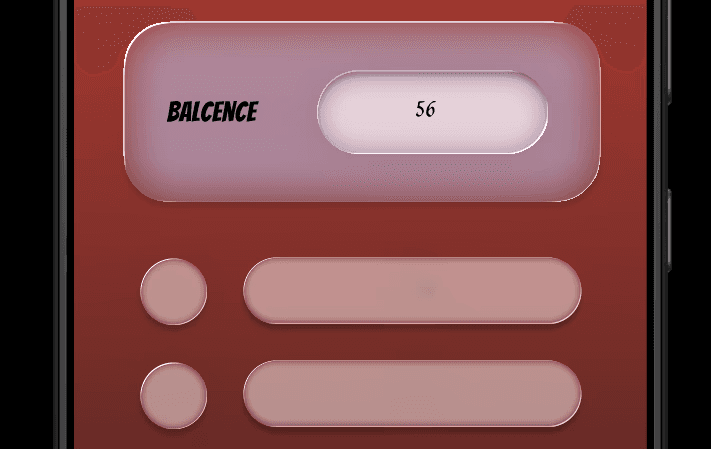
I developed a design language based on glassmorphism and spatial depth. By using Figma to layer frosted-glass components, intricate inner shadows, and vibrant gradients, I created a tactile UI that feels physical. This skill allows me to design for any field—from financial trackers to technical research dashboards—ensuring every project has a professional, modern polish that stands out in the market.

CHALLENGE :
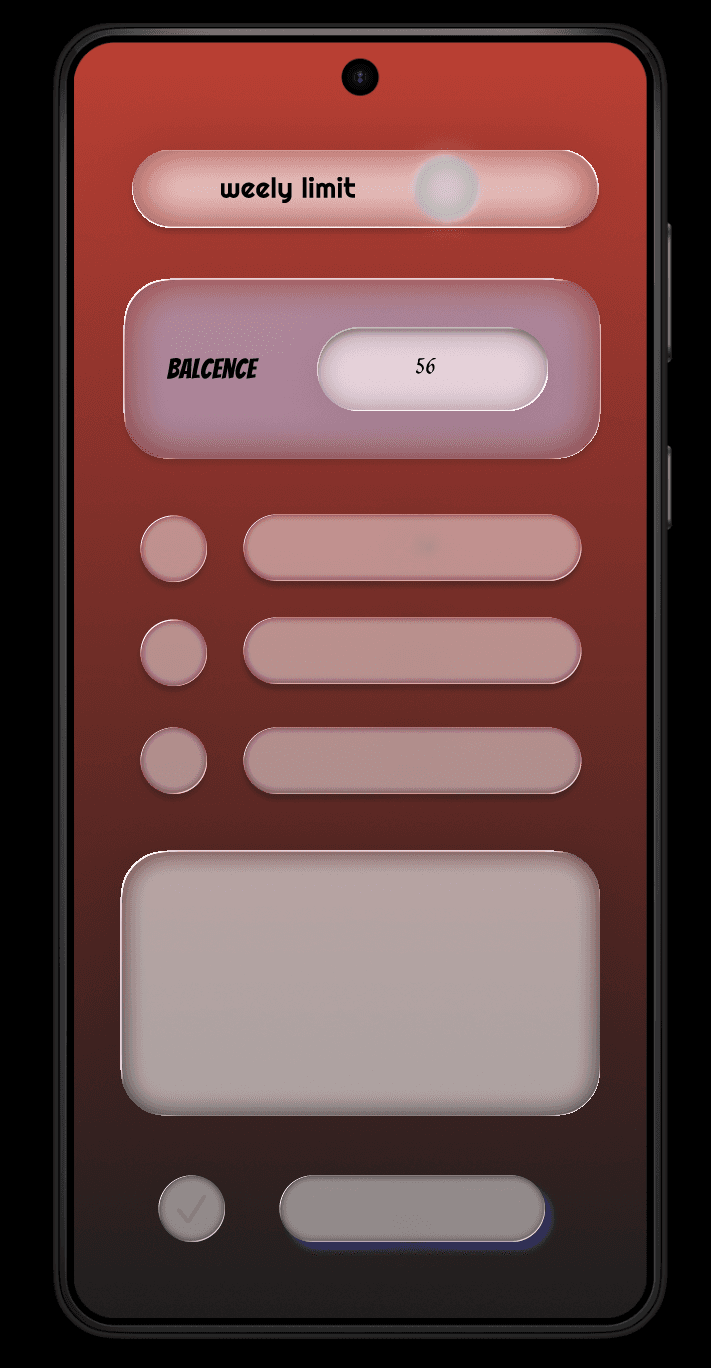
The difficulty lies in "functional aesthetics." While heavy blur and transparency look great, they can ruin readability if not handled perfectly. I had to fine-tune the contrast and accessibility of every element to ensure that the beauty of the design never gets in the way of the user's data.
Summary :
Mastering Figma has made me a more versatile engineer. It allows me to own the entire product lifecycle—from the backend logic to the final, pixel-perfect user experience. I don't just build tools; I design products that people actually want to use.